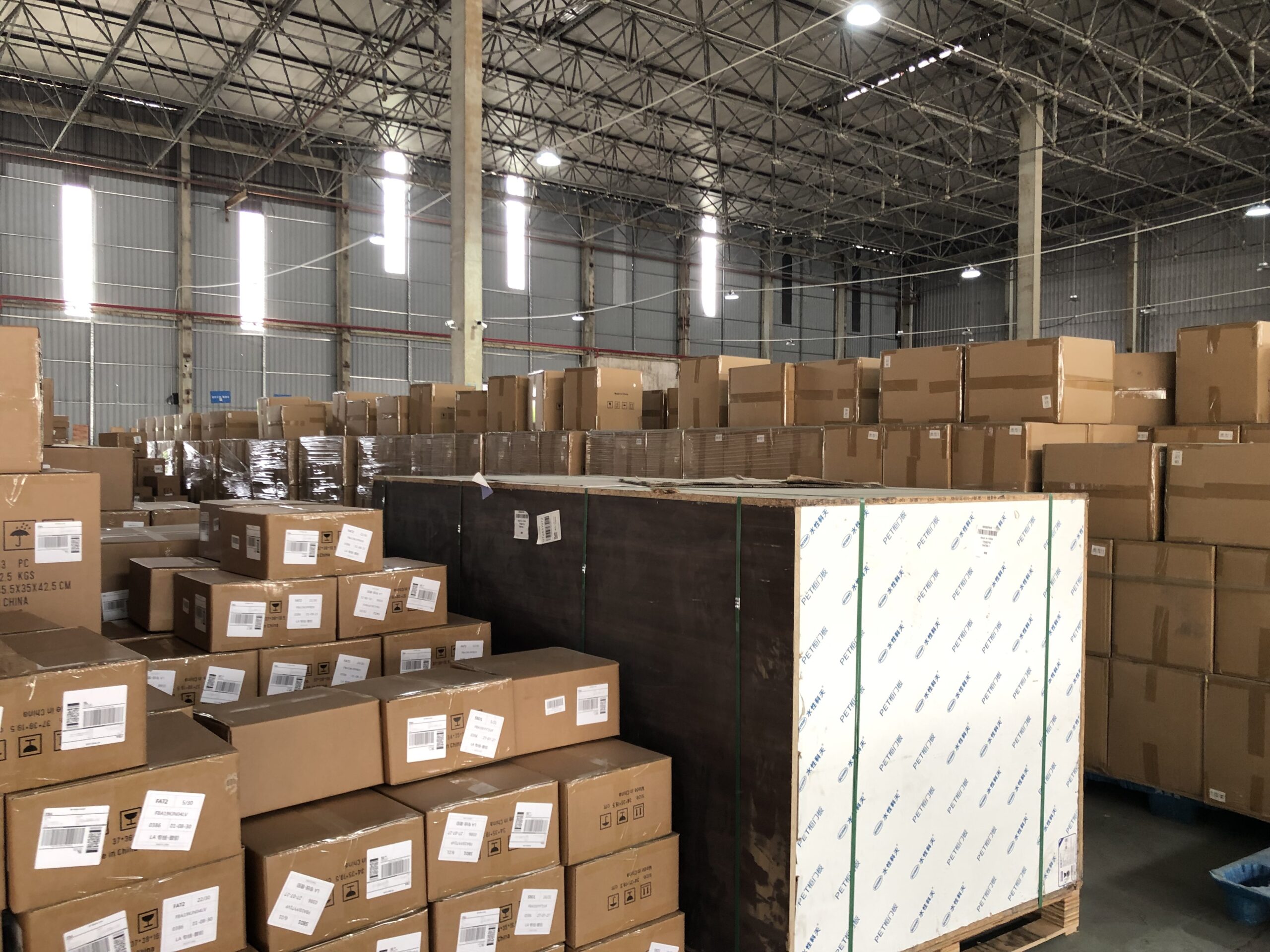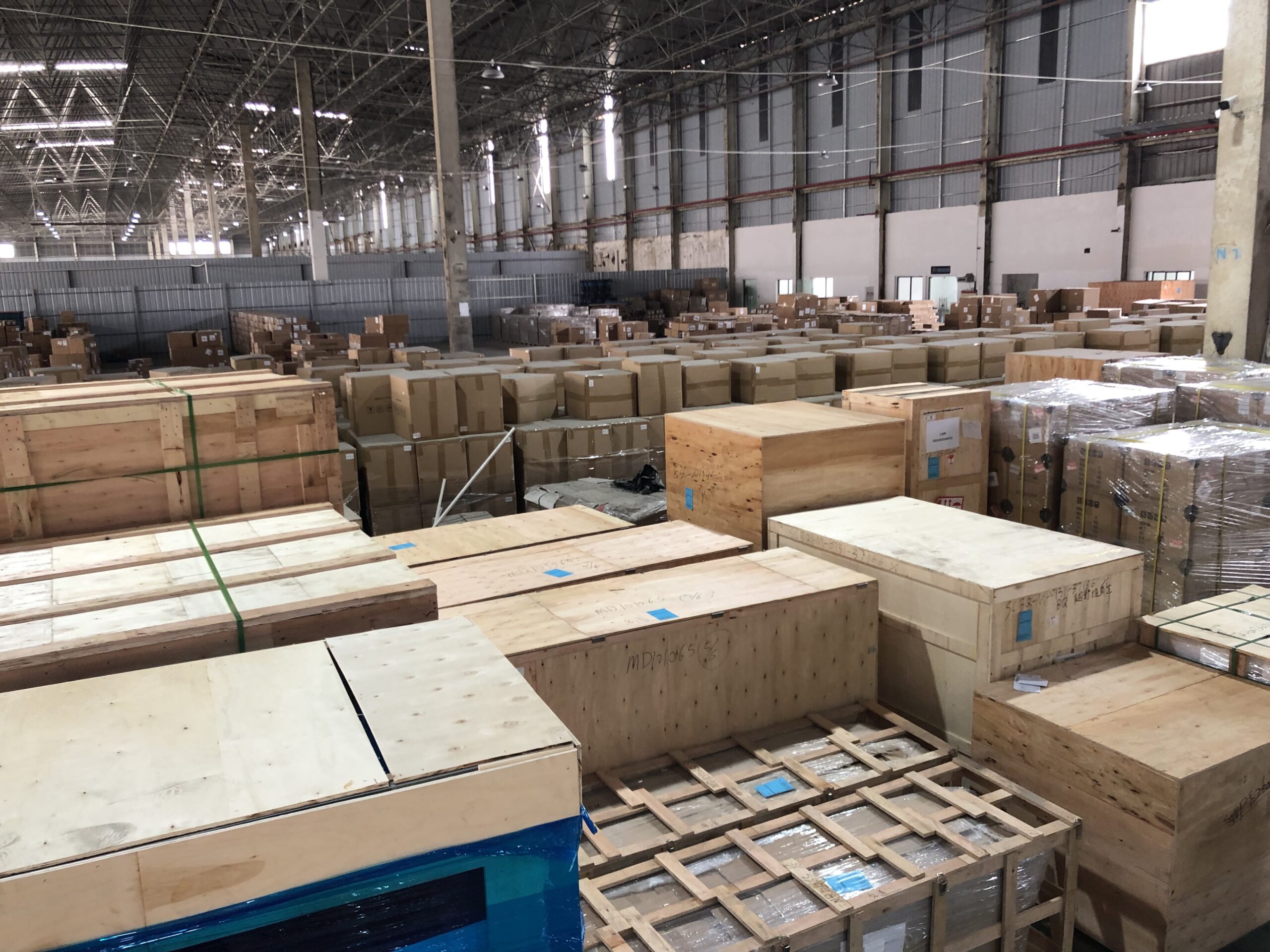

Air freight offers industry-leading transit times, with delivery to major routes in Europe and the U.S. taking 7–12 days. It features extensive global airport network coverage and a low risk of cargo damage. It is well-suited for urgent restocking orders and high-value goods; however, its drawbacks include relatively high freight rates and certain restrictions on cargo types and dimensions.
02.Sea Freight
Low shipping rates, high cargo capacity, few shipping restrictions, global route coverage, support for both full container loads and less-than-container loads, and ideal for large volumes of non-time-sensitive cargo
03.Truck Freight
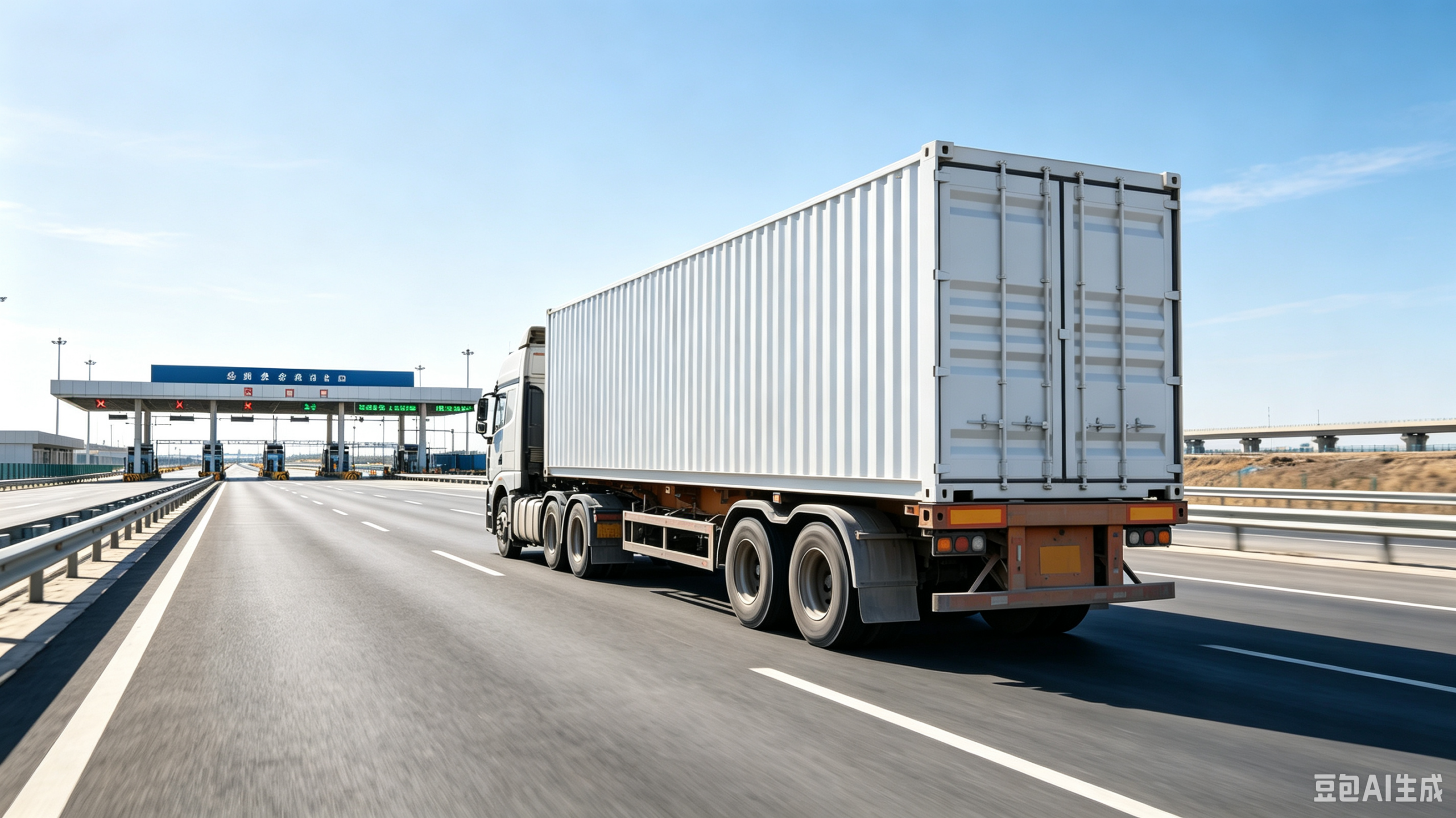
1. Consistent Transit Times: Door-to-door transit times for China-Europe truck transport are faster than rail, and costs are lower than air freight;
2. Flexible Customs Clearance: TIR cross-border road transport features simplified customs clearance across multiple countries and fewer transshipment points;
3. Flexible Loading: No restrictions on pallet sizes; capable of handling oversized, over-length, and over-height cargo;
4. Frequent Departures: Numerous departures and flexible space allocation allow for quick arrangements even for small shipments;
5. Direct Door-to-Door Service: Enables direct transport from your warehouse to an overseas warehouse without multiple transshipments.
04.Rail Freight
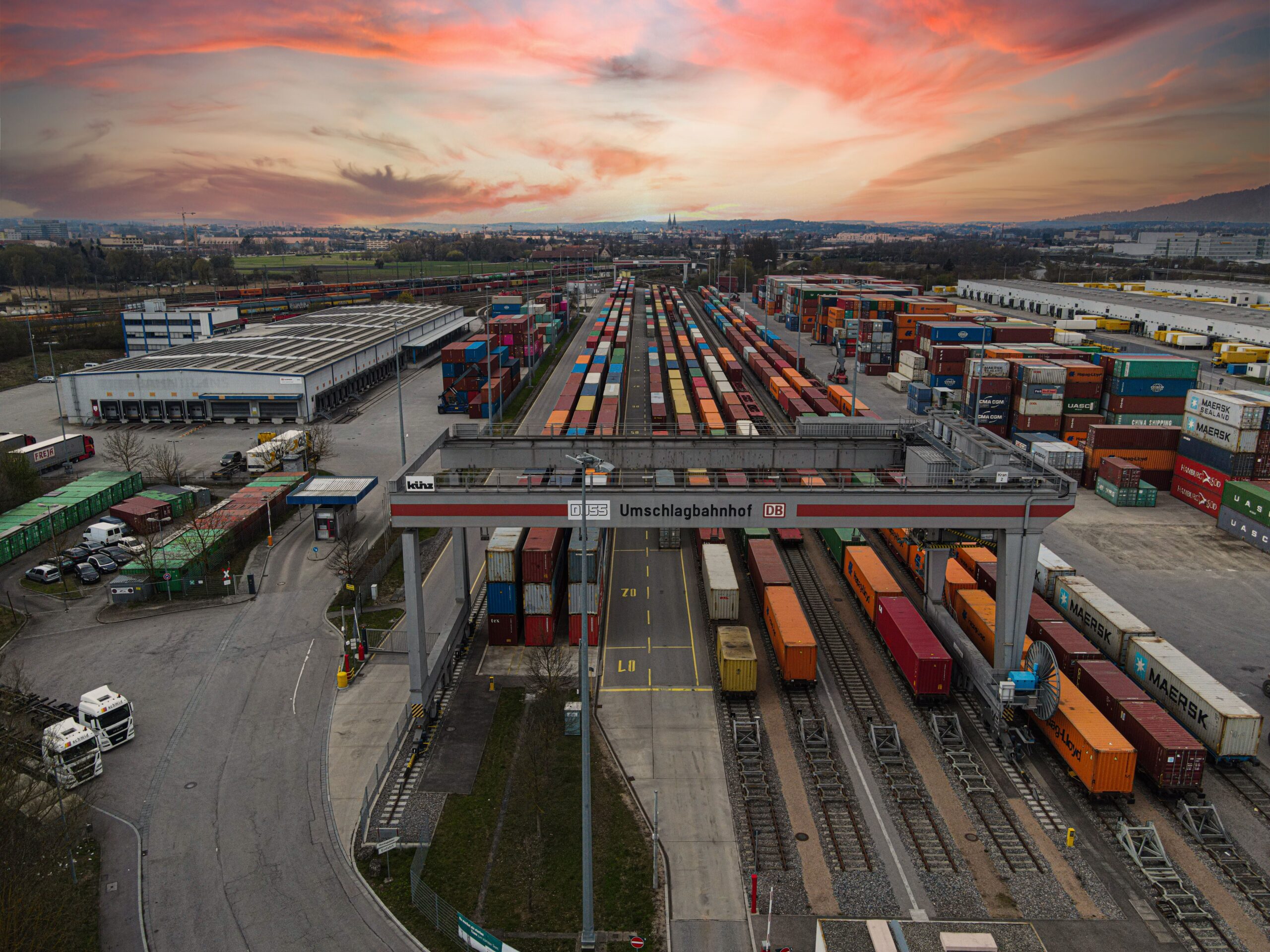
1. Balanced transit time and cost: Significantly faster than sea freight, with freight rates substantially lower than air freight, offering outstanding value for money2. Stable and reliable operations: Fixed schedules, minimally affected by typhoons and port congestion, and highly predictable3. High Capacity and All-Weather Operation: Each train carries a large number of containers and is not constrained by weather conditions, making it ideal for bulk shipments.4. Green and Low-Carbon: Carbon emissions per unit of cargo are lower than those of road and air transport, aligning with overseas ESG requirements.5. High Route Resilience: A major artery connecting Asia and Europe, serving as a high-quality alternative when sea transport is disrupted.